




Scouting has played an important role in the lives of young people across Cumbria for more than a century, with many local groups tracing their origins back to the earliest years of the Scout Movement founded by Robert Baden-Powell in 1907.

When the county of Cumbria was created in 1974, the various Scout districts in Cumberland, Westmorland and Furness were brought together under what became Cumbria Scout County, now one of the largest geographical Scout counties in the UK.

According to Cumbria Scouts, Scouting in the county is currently delivered through 57 groups across six districts, supporting more than 3,000 young people with the help of hundreds of adult volunteers.

The movement has long been particularly strong in rural communities, where Scout groups often became important centres of village life. Many groups were formed before the First World War and have survived through generations of local families.

For example, records note that the 1st Duddon Scout Group was founded in 1917 and was the second Scout group established in its area. After mergers with other local troops, it continues to serve young people in Dalton and the surrounding area.

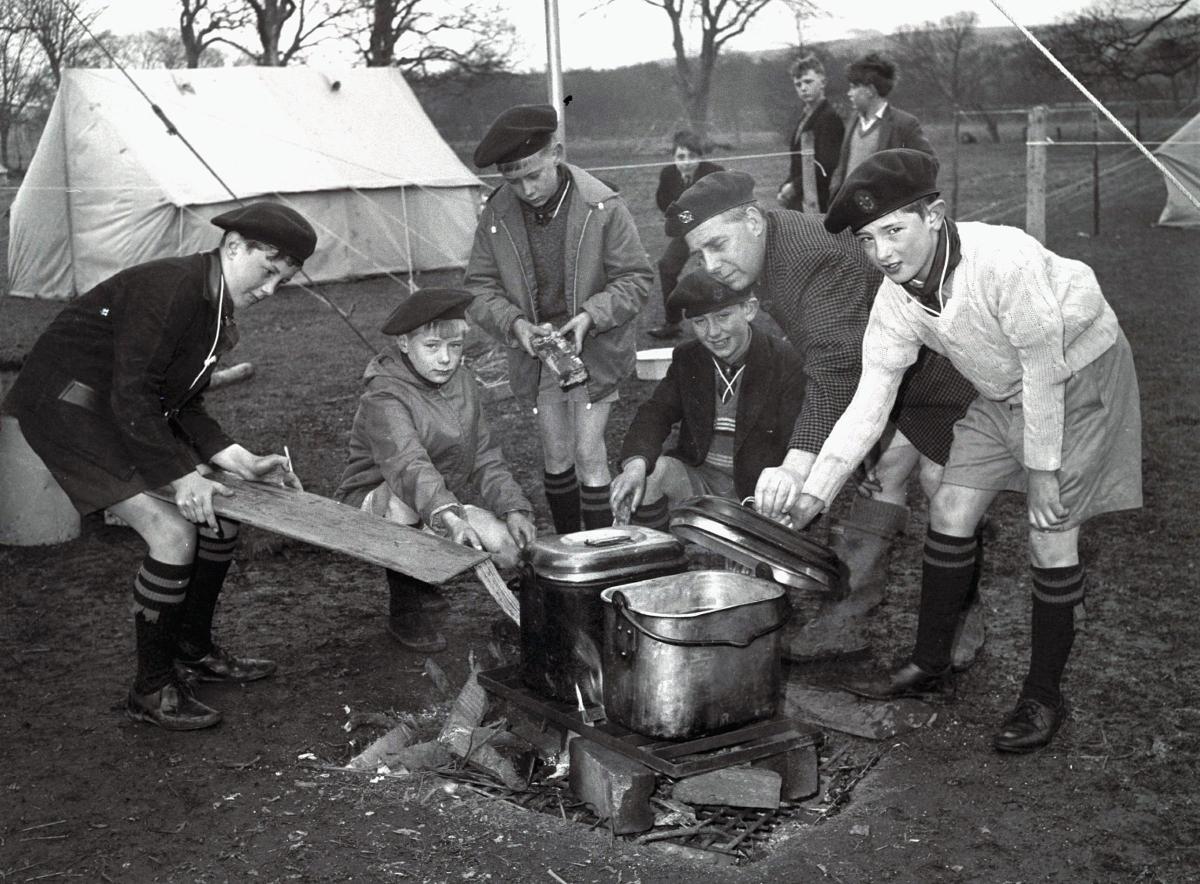
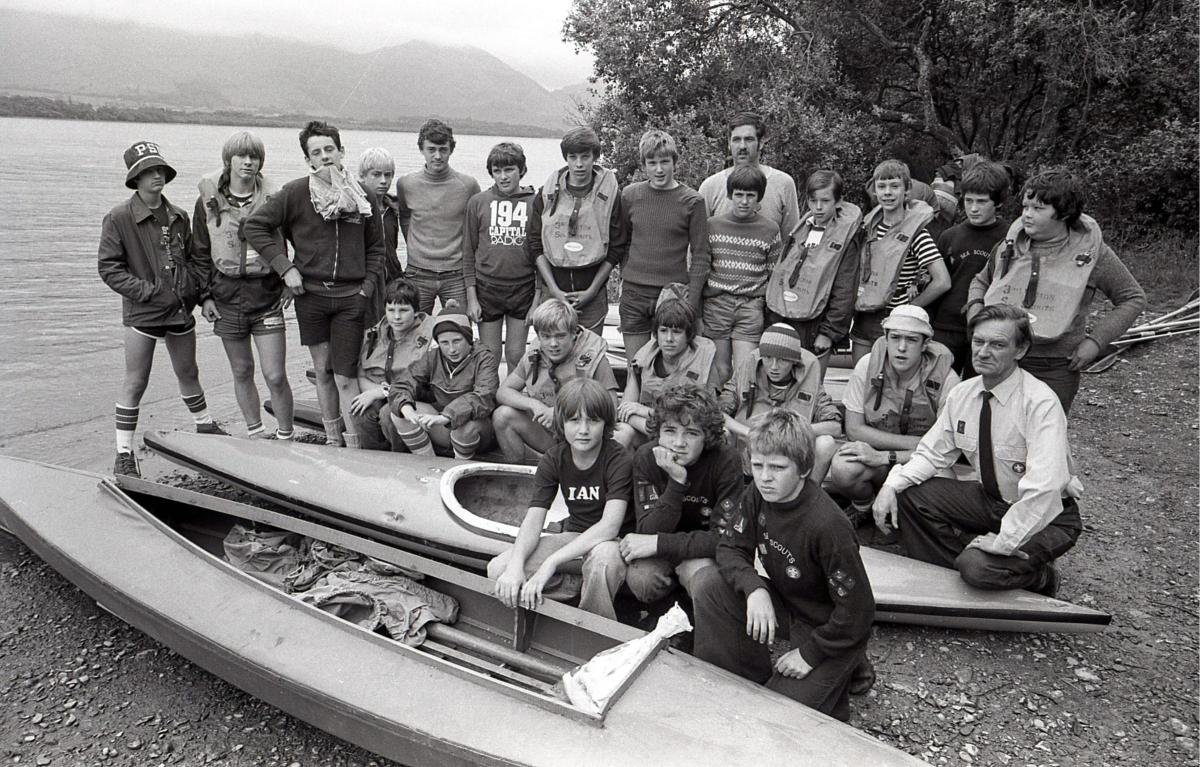
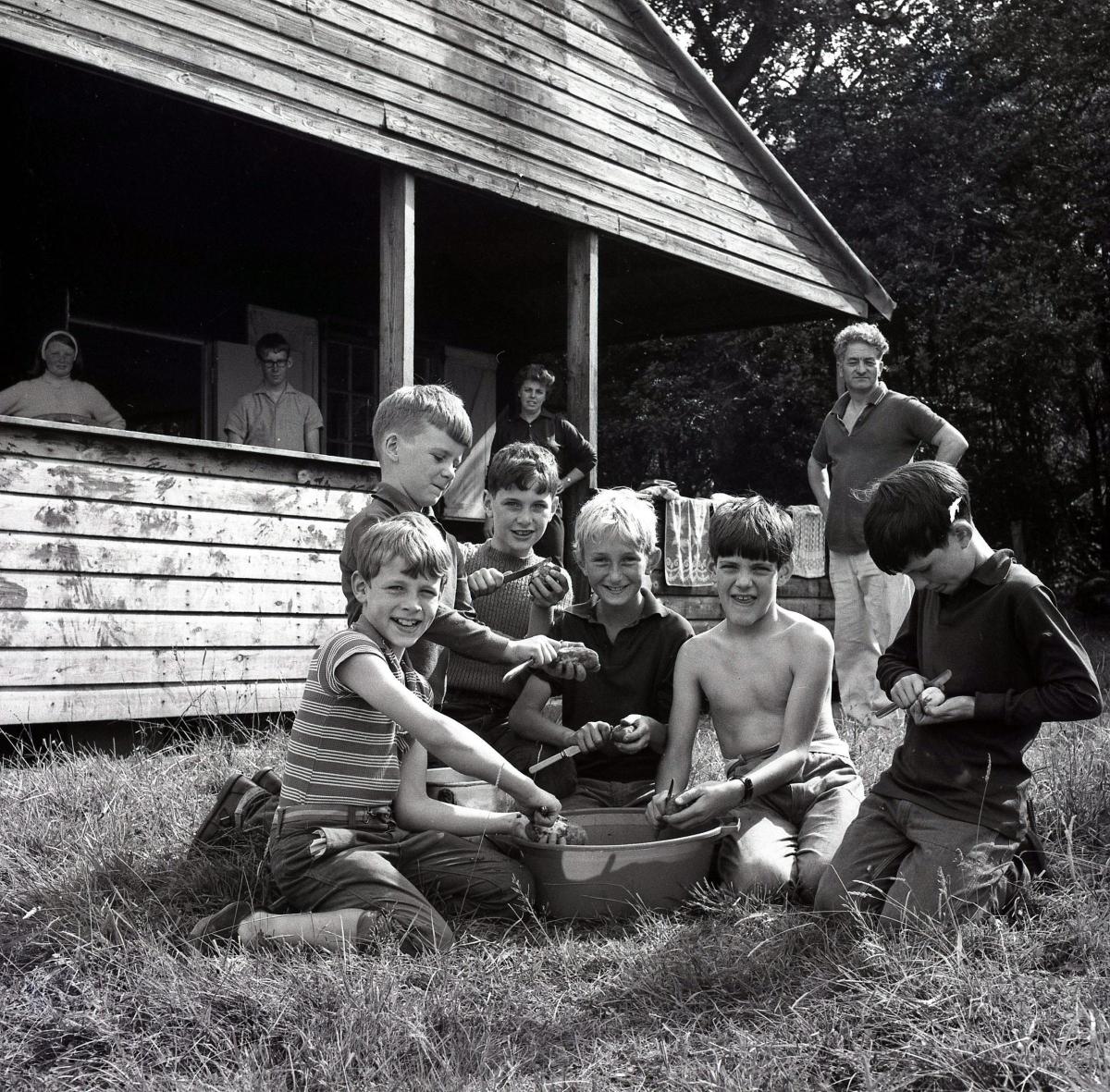
Cumbria’s landscape has helped shape the character of local Scouting. The fells, lakes and coastline have made outdoor adventure a central part of the programme, with generations of Scouts taking part in camping, hillwalking, canoeing, climbing and navigation activities. The county is home to well-known Scout activity centres including Great Tower, on the shores of Windermere, and the Ennerdale Scout Centre, both of which attract Scouts from across Britain.

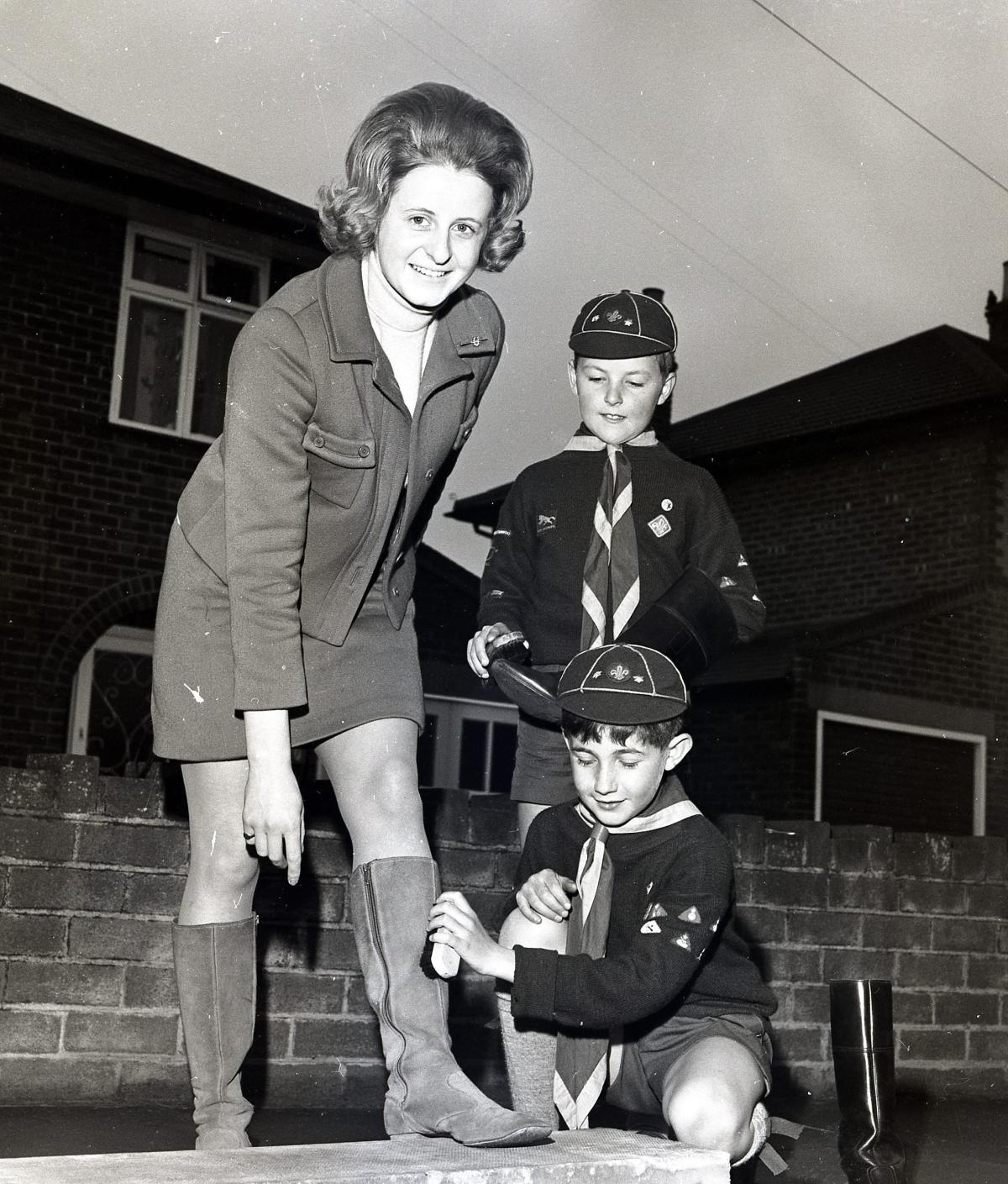
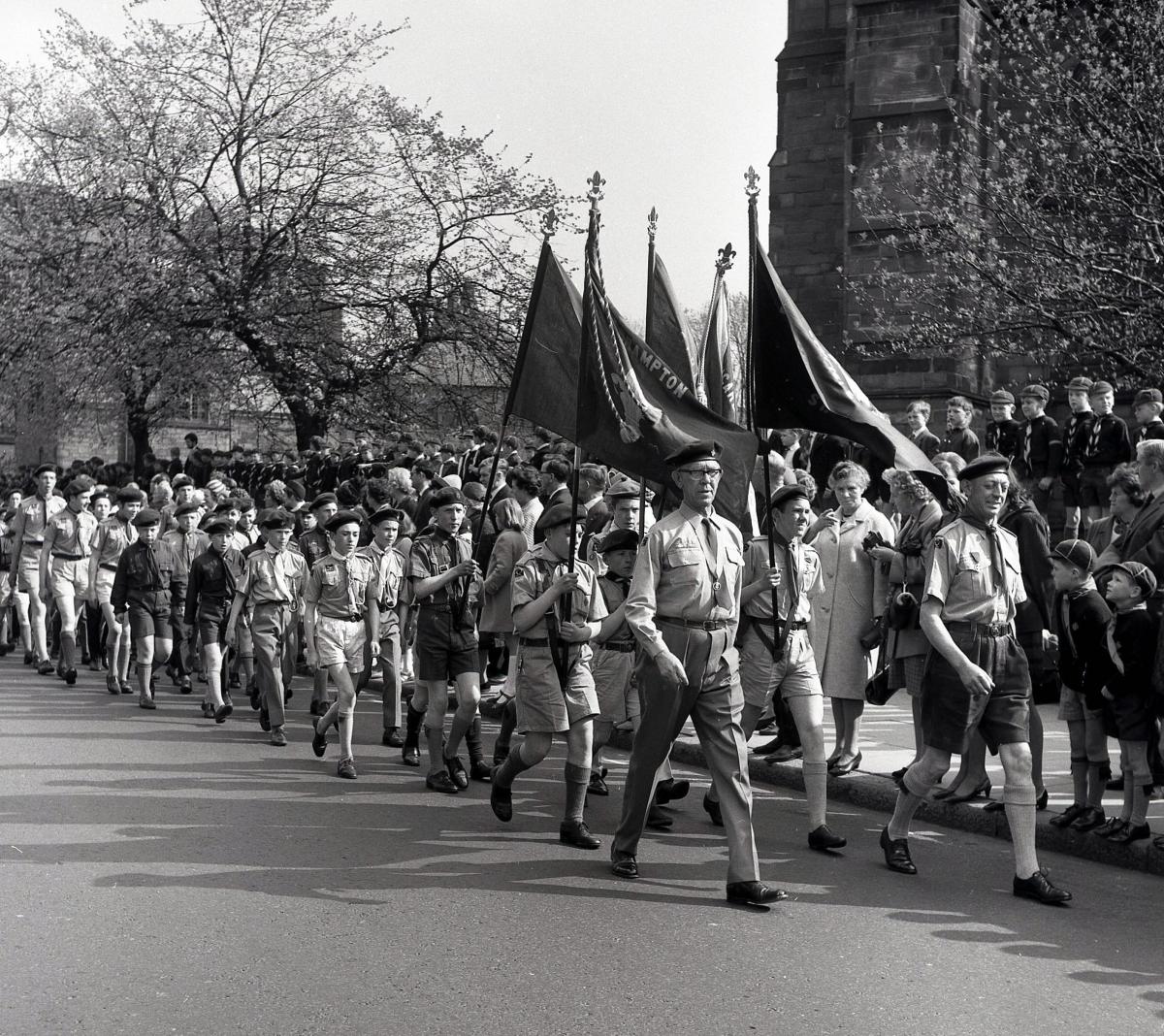
Throughout the 20th century, Scout groups were active in community service, fundraising, remembrance events and civic occasions. As society changed, Cumbria’s Scout groups evolved too, welcoming girls into all sections and broadening opportunities for young people from a wide range of backgrounds.

Today, Scouts in Cumbria continue to offer sections ranging from Squirrels, for ages four to six, through to Network members aged up to 25. The movement’s aim remains much the same as when it began: helping young people develop confidence, practical skills, leadership and a sense of service through adventure and teamwork.



Share