




If a week in politics is a ‘long time’ then a decade must feel like an eternity.
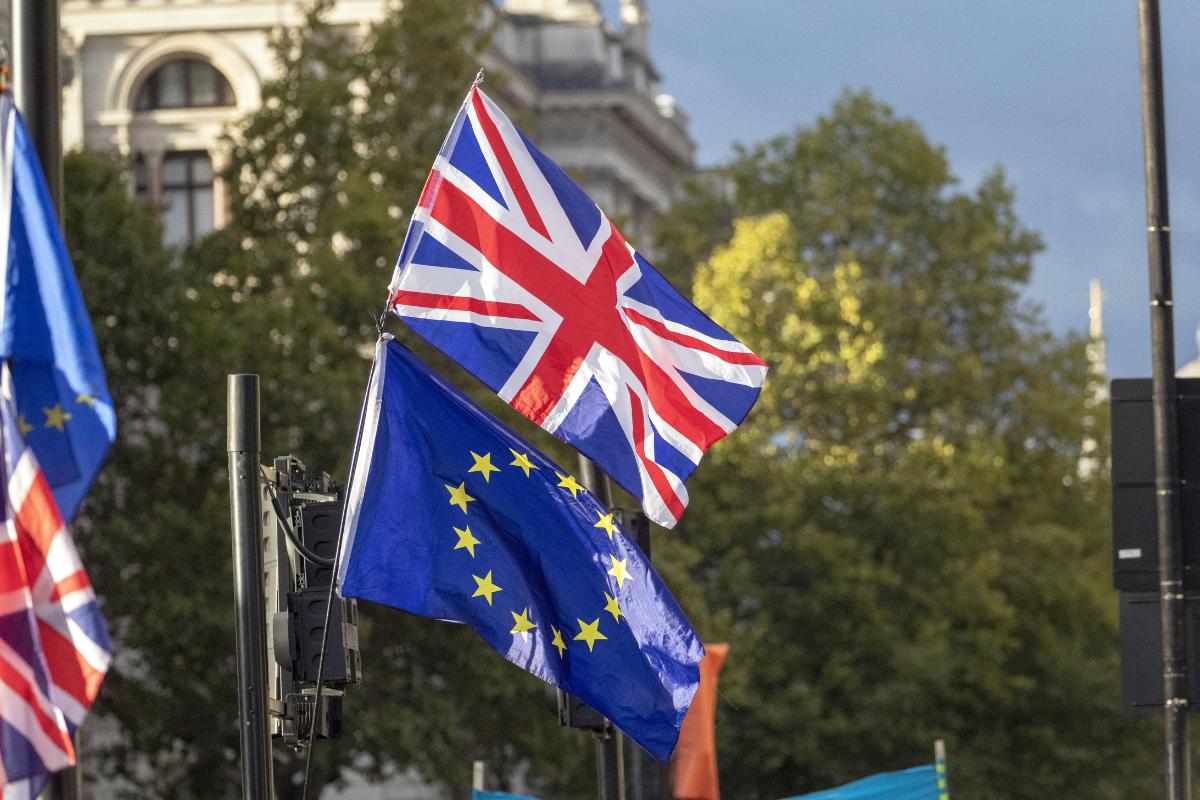
Thursday, June 23, 2016, will be a day that goes down as amongst the most significant of post war Britain.
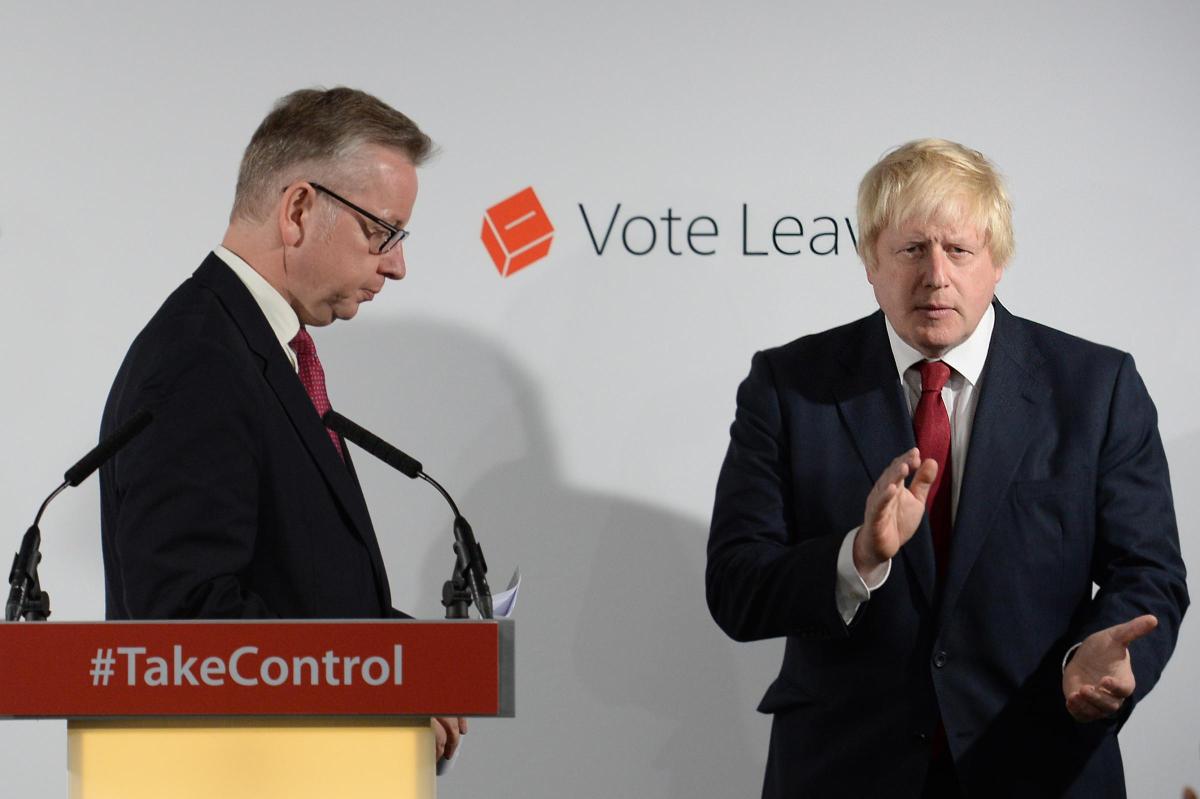
17.3 million people voted to leave the European Union in one of the largest democratic exercises ever seen in this country.
The result changed the course of British history and altered the way politics has been conducted ever since.
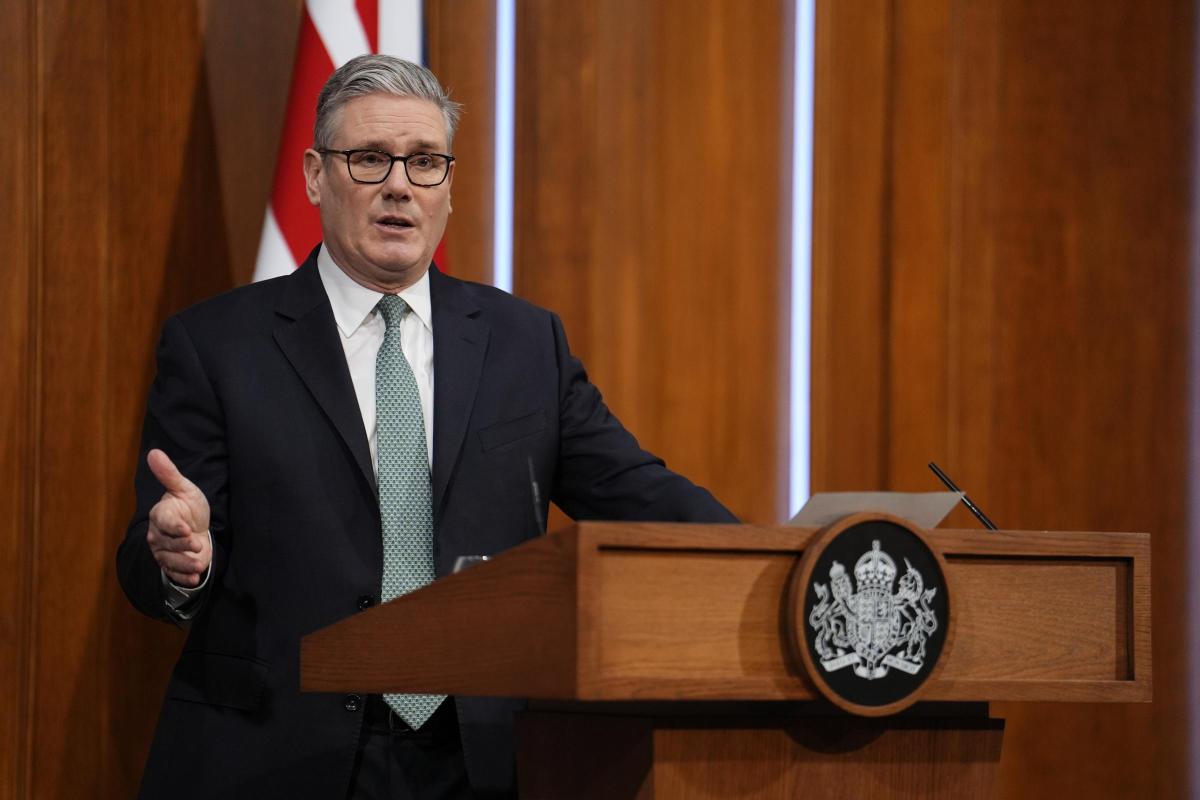
With the resignation of Keir Starmer on Monday, Britain will soon be onto its seventh Prime Minister in the decade following the referendum.
Comparatively, it took Britain 40 years for the country to go through the previous seven.
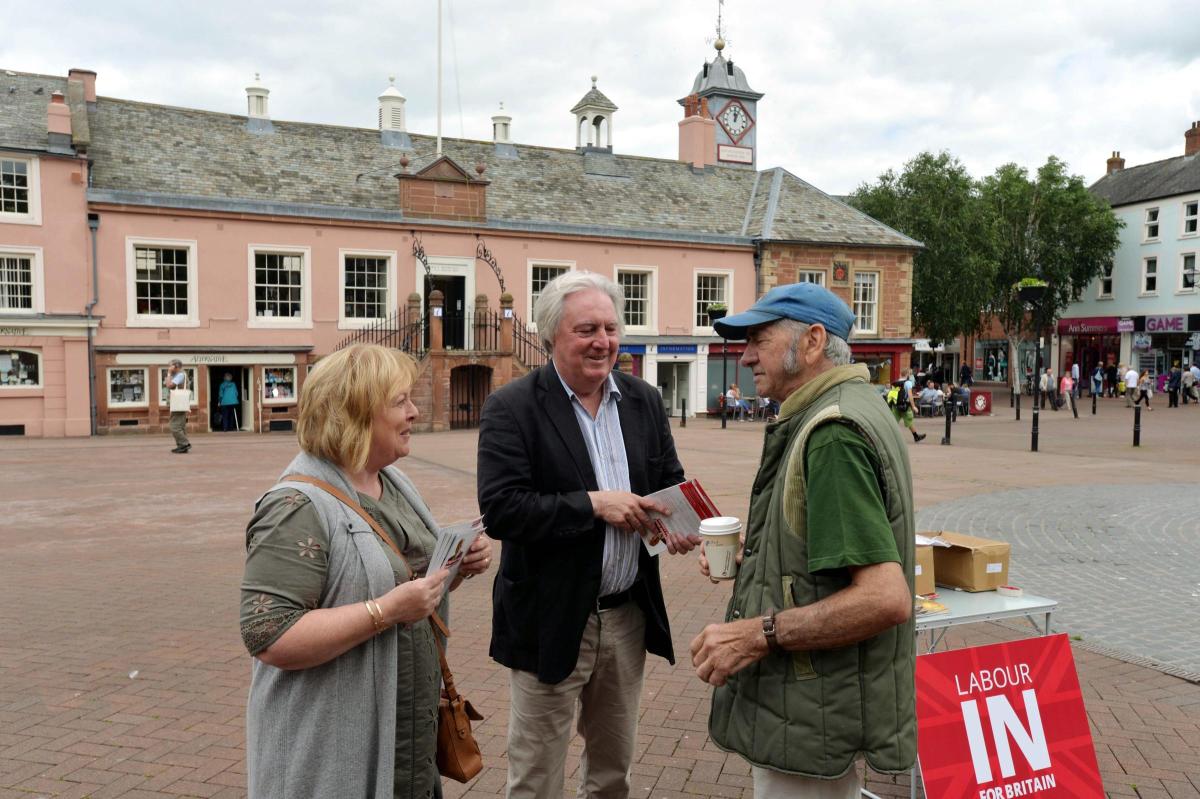
Ten years on from the Brexit vote, Cumbria’s referendum result still offers a revealing snapshot of political mood, geography and identity across the county. Using the original district‑level figures, we can see how sharply most of Cumbria lined up behind Leave, with just one area – South Lakeland – swimming against the tide.
The EU referendum split Cumbria along familiar socio‑economic and geographic lines.

Five of six districts backed Leave. Copeland, Eden, Allerdale, Carlisle and Barrow‑in‑Furness all returned clear Leave majorities, while South Lakeland voted Remain.
Turnout was high across the board. Every district recorded turnout close to or above 70 per cent, with South Lakeland approaching 80 per cent, indicating a highly engaged electorate.
A county divided: patterns in the numbers
A decade later, the district‑level split still maps closely onto the county’s economic profile and political culture at the time.
Industrial and coastal districts led the Leave charge. Barrow‑in‑Furness, Copeland, Carlisle and Allerdale – areas with strong industrial, nuclear, defence and port traditions – all delivered robust Leave margins of around 58–62 per cent
Rural Eden leaned Leave but less emphatically. Eden’s 53.9 per cent Leave share points to a narrower divide, reflecting its more dispersed, rural electorate and mix of farming, tourism and small‑business communities.

South Lakeland stood out as Remain territory. With a 52.8 per cent Remain vote and the county’s highest turnout, South Lakeland’s more affluent, service‑driven, strongly tourism‑focused profile aligned with the broader pattern of Remain support in similar districts elsewhere in England.
The turnout figures tell their own story about how seriously voters took the choice.
Turnout ranged from 67.9 per cent in Barrow‑in‑Furness to almost 80 per cent in South Lakeland, with most districts in the low to mid‑70s.
The relatively even spread of participation suggests that Brexit was not just a concern for one type of community; both urban centres and rural areas engaged heavily.
The strong Leave majorities in Barrow, Copeland, Carlisle and Allerdale chimed with national narratives about frustration over economic change, public service pressures and a sense of remoteness from decision‑making in Westminster and Brussels.
South Lakeland’s Remain vote reflected concerns about labour mobility, EU tourism markets and environmental protections, all of which were perceived as tied to EU membership.
These patterns have continued to shape local politics: debates over trade, farm support, planning, immigration and regional funding since 2016 have often broken along lines that look very similar to that referendum map.
Since 2016, the politics of Cumbria has tipped one way and then the other. In 2019, Boris Johnson’s Conservative party won every seat in the county bar the safe Liberal Democrat seat of Westmorland and Lonsdale in an electoral first.
In 2024, the county went in the complete opposite direction, with all seats but Westmorland and Lonsdale now going to the Labour party.
Further change is now afoot with polls suggest a surging popularity for Reform in the county who could make significant gains here if an election were held today according to the polls.
Fragmented politics since Brexit has undoubtedly had its effect on Sir Keir Starmer.
Sir Keir announced his intention to resign as prime minister and Labour leader on Monday, triggering a leadership contest to choose his successor.

He has asked Labour’s ruling National Executive Committee to set out a timetable for the race, with a new leader expected to be in place before Parliament returns after the summer.
Julie Minns, who was elected as Carlisle’s Labour MP nearly two years ago, said she would “always be grateful” for his leadership and for the role he played in her own path to Westminster.
“History will remember Keir Starmer as the leader who took Labour from the hard left wilderness and back into government in a single term, something no other Labour leader has achieved,” she said.

“I will always be grateful for the leadership he showed in rebuilding our party and giving me the opportunity to become Carlisle's MP.
"Being elected nearly two years ago remains the greatest honour of my life.”
Sir Keir led Labour to a resounding victory in the 2024 general election - despite winning fewer votes overall than the party won in 2017 or even 2019.
In Carlisle, Julie Minns won with 18,129 votes, ahead of Conservative candidate John Stevenson on 12,929 and Reform UK’s Stephen Ward on 9,295. While that secured a Labour victory, the numbers tell a more nuanced story.
Ms Minns achieved both a lower vote total and a smaller share than Labour candidate Ruth Alcroft managed in 2017, when the party finished second.
Looking further back, Eric Martlew’s final victory in 2005 saw Labour secure 48.1 per cent of the vote—almost ten percentage points higher than Ms Minns’s share in 2024. In the landslide election of 1997, Mr Martlew polled more than 25,000 votes and 57.4 per cent, figures that far exceed Labour’s recent performance.
While boundary changes complicate direct comparisons, the data points towards a longer-term decline in Labour’s vote share in parts of Cumbria that can be traced back 10 years and further towards the end of the Tony Blair era.
Brexit accelerated the disconnect between voters and politicians, increased the volatility of politics and weaken voters’ loyalty to their tradition political party.
For Cumbria, the emerging picture is one of increasing electoral volatility. Seats that appeared secure in 2024 are now being reclassified as marginal or leaning towards a different party altogether. While polling snapshots do not guarantee future outcomes, they do highlight a growing unpredictability in voter behaviour.
If current trends continue, the county could find itself at the forefront of a broader political realignment—one that challenges long-standing party loyalties and reshapes the electoral map of the North.


Share